November 9, 2026
In an interconnected society driven by daily highway commutes, complex multi-lane interchanges, and demanding schedules, personal motor vehicles serve as indispensable lifelines. Whether navigating dense metropolitan gridlock or crossing remote rural expanses, motorists expect their vehicles to perform without interruption. Yet, mechanical systems face relentless thermal friction, unpredictable road debris, and electronic strain that can suddenly incapacitate even newer automobiles. When unexpected breakdowns leave motorists stranded on bustling highway shoulders or isolated country routes, emergency support transitions immediately from an optional luxury into an absolute operational necessity.
Modern vehicles have transformed into intricate computer networks operating alongside complex internal combustion components, hybrid drives, and high-voltage battery banks. Because contemporary engineering often renders roadside DIY repairs impractical or outright hazardous for untrained individuals, professional recovery support has become vital. Subscribing to reliable roadside assistance services guarantees that help is dispatched directly to your precise geographic coordinates whenever trouble strikes. By understanding how these specialized rescue networks operate, everyday drivers can insulate themselves from safety hazards, logistical chaos, and financial shock during sudden mechanical failures.
Understanding the Structure of Modern Roadside Assistance
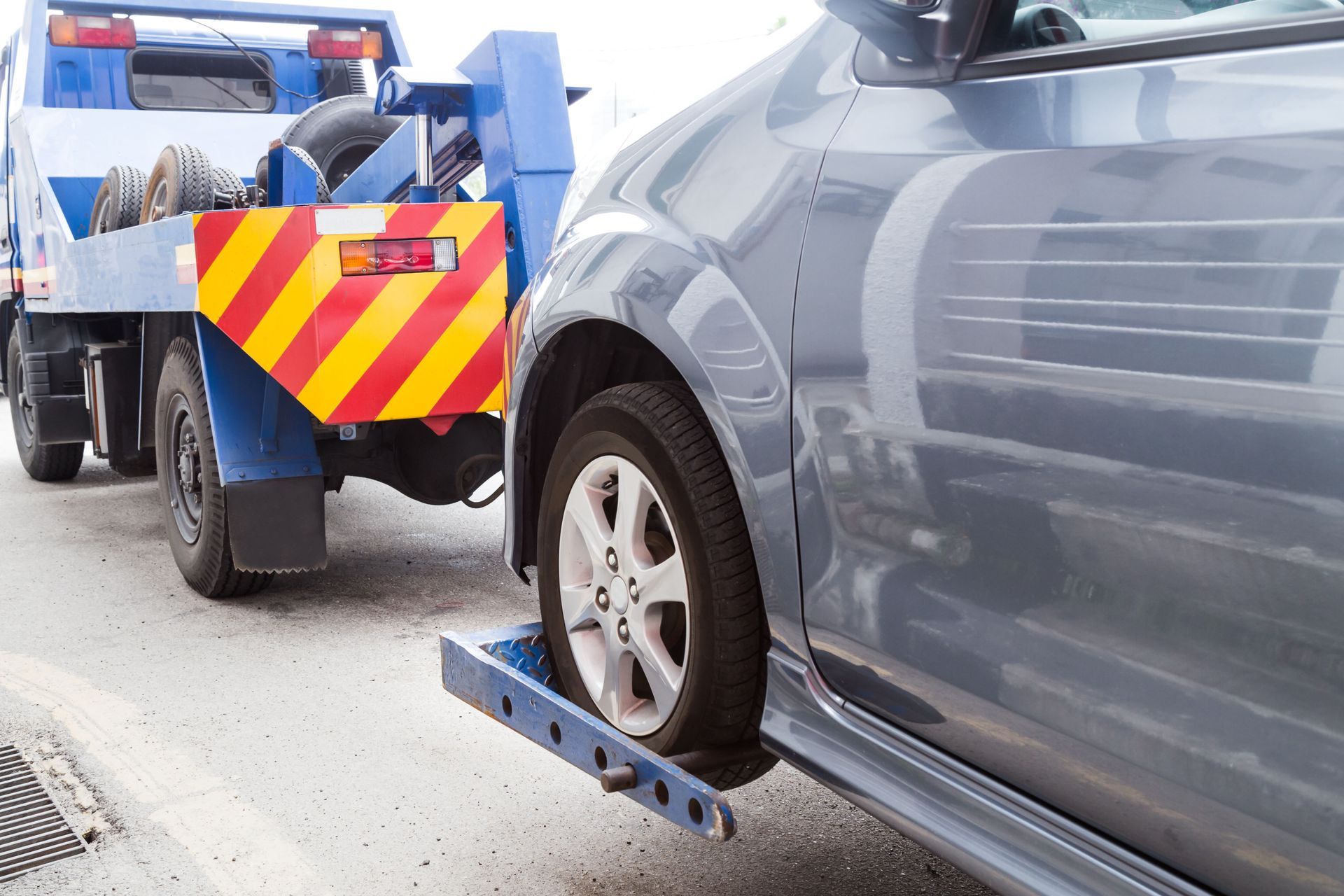
Emergency recovery offerings provide structured mechanical relief directly to motorists stranded by unforeseen vehicle malfunctions. This support ecosystem spans essential mobile tasks such as wheel and tire replacements, dead battery jump-starts, safe vehicle entry during lockouts, and emergency fuel drops. In circumstances where immediate on-site remediation proves impossible, heavy-duty flatbeds transport disabled vehicles straight to certified repair shops. These services transform chaotic automotive failures into predictable, managed procedures, allowing motorists to navigate their daily commutes with genuine confidence and minimal travel disruption.
The automobile support industry has expanded from early regional motor clubs into an expansive, highly integrated nationwide dispatch network. Historic service calls relied entirely on physical call boxes and manual telephone switchboards, whereas contemporary roadside assistance services utilize automated routing protocols, digital telemetry, and satellite tracking to accelerate response cycles. Major coverage providers now collaborate with regional towing fleets, certified mobile master technicians, and digital dispatch hubs to guarantee broad regional protection. This sustained operational evolution ensures that assistance remains readily accessible across urban highways and rural backroads alike.
Analyzing the Most Prevalent Roadside Emergencies
Tire failures consistently rank among the most frequent disruptions experienced by modern motorists on domestic roads. Punctures caused by discarded road construction debris, hidden highway potholes, and catastrophic high-speed blowouts leave drivers immobilized in hazardous, high-traffic conditions. Modern vehicle engineering increasingly omits physical spare tires in favor of compact aerosol inflator kits, leaving drivers vulnerable when sidewall tears occur. Professional roadside crews arrive with heavy-duty jacks, commercial impact tools, and high-visibility illumination gear, quickly swapping spares or coordinating flatbed transport to eliminate the physical dangers of roadside wheel changes.
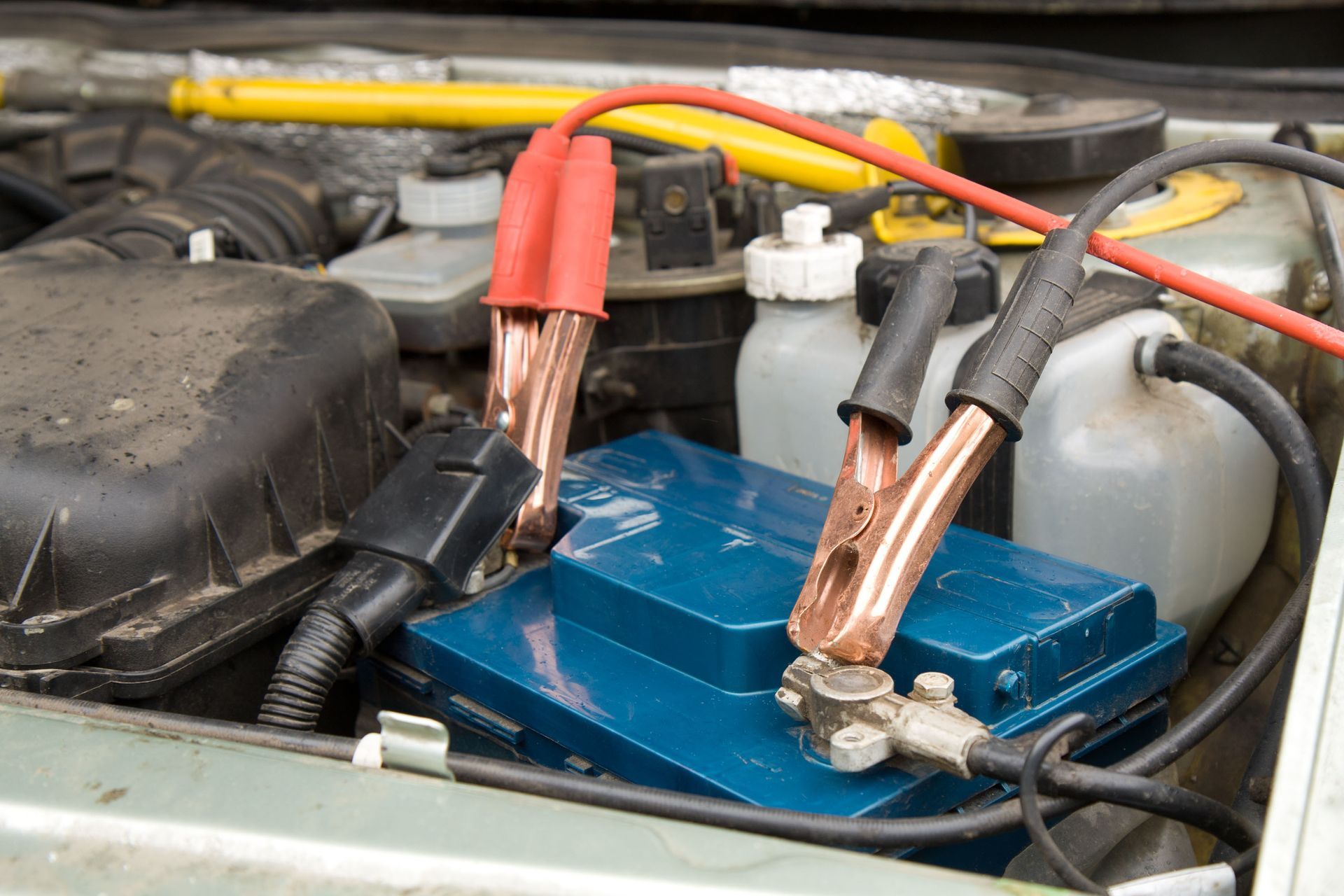
Depleted automotive batteries represent another persistent source of stranded driver dispatches, particularly across extreme weather conditions. Winter freezes inhibit chemical power generation, while oppressive summer heat accelerates electrolyte evaporation and internal terminal corrosion, causing sudden failure without prior notice. According to AAA Newsroom, over 27 million emergency roadside service calls were received by AAA throughout the United States in 2024, with dead batteries, flat tires, and vehicle lockouts representing a massive share of those incidents. Accessing dedicated roadside assistance services provides prompt testing, safe boost connections that safeguard delicate vehicle electronics, and swift on-site battery replacement options.
Evaluating Key Driver Safety and Personal Security
Personal security is undeniably the most urgent justification for maintaining active roadside coverage. Modern expressways and limited-access highways present hostile environments for stationary pedestrians, exposing stranded occupants to distracted passing drivers moving at highway speeds. Lingering near active traffic lanes while attempting to adjust lug nuts or locate vehicle hand tools invites catastrophic collision hazards. Having dedicated professional support ensures that drivers and their families can remain safely buckled inside the passenger cabin while marked rescue vehicles secure the scene with high-intensity warning strobes.
Beyond physical highway hazards, vehicle breakdowns often occur in poorly illuminated zones, isolated rural stretches, or unfamiliar neighborhoods during late hours. The psychological distress associated with being immobilized in an insecure area is particularly profound for solo motorists, teenage drivers, and elderly family members. Comprehensive coverage removes uncertainty by connecting motorists directly with professional dispatch personnel who coordinate immediate recovery logistics. Knowing that a verified technician is en route provides immense peace of mind, transforming an otherwise perilous situation into an orderly, professionally managed resolution.
Examining the Financial Advantages of Dedicated Coverage
Sustaining a dedicated roadside policy delivers predictable cost efficiency when compared to the volatile prices associated with out-of-pocket emergency service calls. Uncovered motorists who require private towing after standard operating hours frequently confront exorbitant base hookup fees, steep per-mile transport rates, and heavy emergency surcharge assessments. A single long-distance flatbed tow following an engine overheating event can easily exceed the entire cost of multiple years of membership dues. Enrolling in structured roadside assistance services eliminates these abrupt financial shocks, replacing unpredictable invoices with a modest, predictable annual investment.
Beyond guarding against immediate towing charges, professional roadside services minimize downstream vehicle maintenance expenses by preventing amateur repair errors. Improperly applied jumper cables can easily send sudden high-voltage surges through sensitive vehicle microprocessors, resulting in thousands of dollars in onboard computer damage. Similarly, untrained attempts to tow all-wheel-drive platforms using conventional two-wheel dollies can ruin complex differentials and high-value transmission assemblies. Licensed roadside recovery professionals employ proper rigging, protective wheel-lift assemblies, and clean electrical jump equipment, safeguarding your vehicle from secondary mechanical harm.
Exploring Cutting-Edge Technology and Modern Dispatch Systems
The integration of advanced digital technology has revolutionized how modern motorists communicate with roadside dispatch networks. Drivers no longer face lengthy telephone calls attempting to describe imprecise highway mileposts or obscure cross streets to dispatchers. Contemporary mobile smartphone applications leverage device GPS data to pinpoint an immobilized vehicle's exact geographic coordinates automatically. Furthermore, automated tracking interfaces provide real-time updates displaying the incoming tow truck's route, driver identification, and estimated time of arrival, eliminating anxious roadside guesswork.
Emerging vehicle connectivity and telematics suites are further advancing the roadside support sector into an era of automated incident reporting. Modern connected automobiles automatically transmit diagnostic trouble fault codes, fuel level readings, and internal sensor telemetry directly to assistance hubs the moment an issue occurs. As these integrated ecosystems evolve, roadside assistance services can proactively detect declining alternator outputs, subtle tire pressure losses, or severe powertrain faults before drivers find themselves completely immobilized. This data-driven dispatch approach ensures technicians arrive equipped with the exact replacement batteries or equipment necessary for on-the-spot remediation.
Selecting the Ideal Protection Plan for Your Needs
Choosing the most effective coverage package requires careful assessment of your household driving habits, daily commute lengths, and vehicle ages. Motorists who frequently take long-distance highway road trips through unpopulated territories require expansive flatbed towing allowances extending beyond local municipal radii. Conversely, urban commuters navigating dense metropolitan centers may prioritize rapid mobile lockout services, compact flat-tire remediation, and dedicated fuel drops. Matching plan specifications to your authentic travel patterns guarantees adequate operational protection without paying unnecessary surcharges for surplus service components.
It is equally essential to examine policy provisions, provider credentials, and regional operational partnerships before finalizing enrollment. Prospective subscribers must carefully verify annual service call allowances, geographic boundary limits, and whether coverage adheres to the individual driver or stays tied to an explicit vehicle. Choosing comprehensive roadside assistance services backed by verified industry standing, modern fleet equipment, and dependable dispatch platforms safeguards against unexpected coverage disputes when roadside emergencies develop. Dedicating time to compare coverage details establishes a strong safety cushion that protects drivers across every mile of highway travel.
Whenever an unexpected tire failure, dead battery, or sudden engine stoppage interrupts your commute, trusting experienced regional specialists guarantees fast recovery and exceptional care. For fast, reliable roadside recovery and professional towing that gets you moving again without unnecessary delays, rely on the dedicated professionals at Florida Coast Towing to protect your vehicle and get you safely back on the road.