October 9, 2026
A dead car battery can interrupt even the simplest trip, leaving drivers unable to start their vehicles when they need to get somewhere. Whether the problem occurs in a parking lot, at home, or along a busy roadway, understanding how a jumpstart works can help drivers respond safely and confidently. A vehicle that produces clicking sounds, displays dim dashboard lights, or fails to crank may have a battery that cannot provide enough power to start the engine. In these situations, jump start assistance services can help restore the electrical power needed to get the vehicle running again. However, jumpstarting requires the correct equipment, proper cable connections, and attention to battery condition. Knowing what happens during the process can help drivers understand what to expect when professional assistance arrives. It also helps distinguish a temporary battery problem from an issue that requires additional automotive attention. With a basic understanding of the procedure, drivers can make informed decisions about getting back on the road.
Understanding How a Car Battery Powers the Vehicle
A car battery supplies the electrical energy needed to start the engine and operate various electrical systems. When the driver turns the ignition key or presses the start button, the battery sends power to the starter motor, which begins turning the engine. Once the engine runs, the alternator typically supplies electrical power to the vehicle and recharges the battery. If the battery becomes discharged, it may no longer provide enough current to activate the starter motor. This can happen when headlights remain on, electrical accessories draw power while the engine is off, or the battery reaches the end of its service life. Extreme temperatures, loose connections, and charging system problems can also contribute to starting difficulties. Jump start assistance services provide an external source of power that can help a vehicle start when its battery cannot supply sufficient energy on its own. Understanding this relationship between the battery, starter, and alternator helps explain why a successful jumpstart does not always mean the underlying problem has been resolved.
Recognizing the Signs of a Dead Battery
Drivers can often identify battery-related starting problems by observing how their vehicles behave when they attempt to start the engine. A rapid clicking sound may indicate that the battery lacks sufficient power to operate the starter motor properly. Dashboard lights that appear unusually dim or flicker during startup can also suggest a weak battery or an electrical connection problem. In some cases, the engine may crank slowly without starting, indicating that the available electrical power is insufficient. Other vehicles may remain completely unresponsive when the ignition is activated. Before assuming that the battery is responsible, drivers should consider other possibilities, including a faulty starter, damaged wiring, or a malfunctioning ignition system. A visibly swollen, cracked, leaking, or damaged battery should never be jumpstarted because it may present a safety hazard. When the cause is uncertain, requesting jump start assistance services allows a trained professional to evaluate the situation and determine whether a jumpstart is appropriate.
Preparing for a Safe Jumpstart
Safety is an important part of every jumpstart because vehicle batteries store substantial electrical energy and can produce hazardous gases under certain conditions. Before beginning, the vehicle should be positioned away from moving traffic whenever possible, with the parking brake engaged and the transmission placed in park or neutral as appropriate. Both vehicles must be compatible with the recommended jumpstarting procedure, and the instructions provided by their manufacturers should be followed. Drivers should inspect the battery area for visible damage, leaking fluid, corrosion, or other warning signs before attempting to connect equipment. If the battery is damaged or frozen, attempting a jumpstart can create serious risks and should be avoided. Electronic systems in some modern vehicles also require designated jumpstart terminals rather than direct connections to the battery posts. Professional jump start assistance services can help reduce the risk of incorrect connections by using suitable equipment and following the vehicle's recommended procedures. Taking these precautions helps protect the driver, the vehicle's electrical components, and anyone nearby.
Connecting the Equipment Correctly
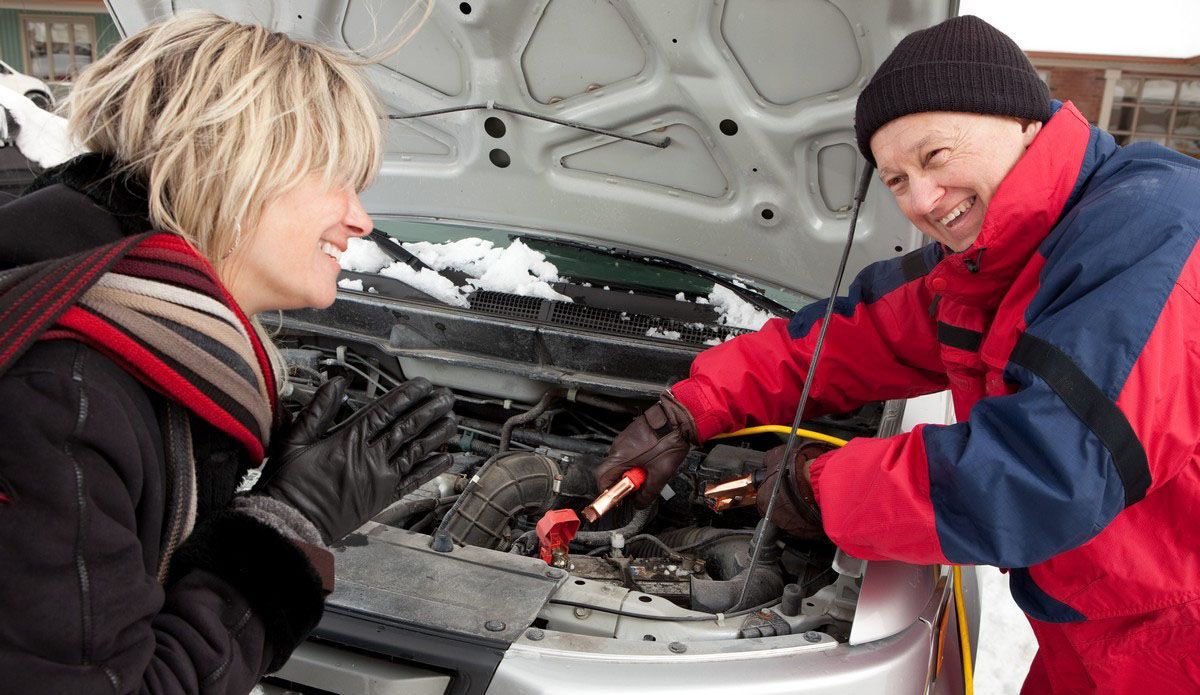
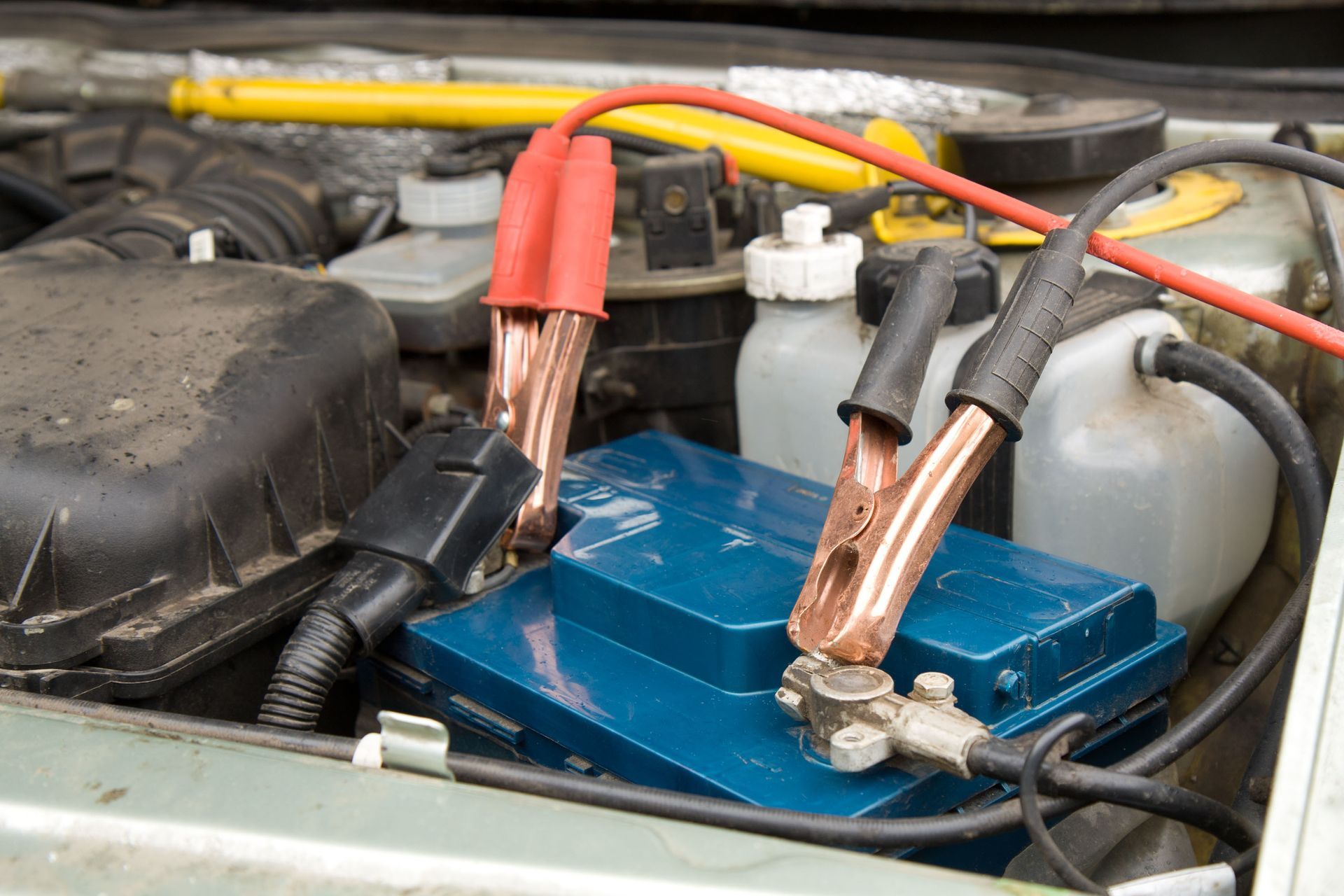
A conventional jumpstart generally involves using a booster vehicle or a suitable portable jump starter to provide temporary electrical power. When jumper cables are used, the connection sequence matters because incorrect placement can cause sparks, electrical damage, or injury. Drivers should consult their vehicle manuals for the specified connection points and manufacturer-approved procedure before attaching any cables. In many conventional systems, the positive cable connects to the designated positive terminal, while the negative connection is made at an approved grounding point according to the manufacturer's instructions. The cables must remain clear of moving engine components, fans, belts, and other potential hazards. Once the connections are secure, the external power source can provide the electrical current required to help the disabled vehicle start. Drivers should avoid touching the clamps together or allowing them to contact unintended metal surfaces. Because vehicle designs and electrical systems vary, jump start assistance services offer a practical option for motorists who are unfamiliar with the process or do not have the appropriate equipment.
Starting the Engine and Restoring Electrical Power
After the equipment has been connected correctly, the next step is to follow the recommended starting sequence for the vehicles and jumpstarting device involved. Some procedures require a short waiting period before the disabled vehicle is started, allowing the battery to receive an initial charge. The driver should attempt to start the engine according to the manufacturer's instructions rather than repeatedly cranking it for extended periods. If the engine starts, the external power source must be disconnected in the specified order to minimize electrical risks. Drivers should keep their hands, clothing, and tools away from moving engine parts while the engine is running. Once the vehicle is operating, its charging system may begin replenishing the battery, although the amount of charge restored depends on the battery's condition and the charging system's performance. A jumpstart does not guarantee that the battery has recovered enough energy for the next start. By using jump start assistance services, drivers can receive help with the immediate starting problem and guidance on whether further battery testing may be necessary.
Checking Battery Condition After a Jumpstart
Getting the engine running is only the first step in determining whether the vehicle is ready for continued use. A battery may have discharged because an accessory was left on, but repeated starting failures can indicate a more persistent problem. According to Bridgestone, a fully charged car battery should generally measure approximately 12.6 volts when the engine is off, although the reading can vary with temperature, battery design, and recent charging activity. A voltage measurement provides useful information, but it does not independently establish the battery's overall health or ability to deliver starting current under load. A battery test can help determine whether the battery can hold a charge and supply the power required to start the engine. If the battery tests adequately, a technician may investigate other possible causes, such as a faulty alternator, loose terminals, or an electrical drain. Drivers who experience recurring battery trouble should avoid relying on repeated jumpstarts as a permanent solution. Arranging appropriate testing after receiving jump start assistance services can help identify the source of the problem and reduce the likelihood of another unexpected breakdown.
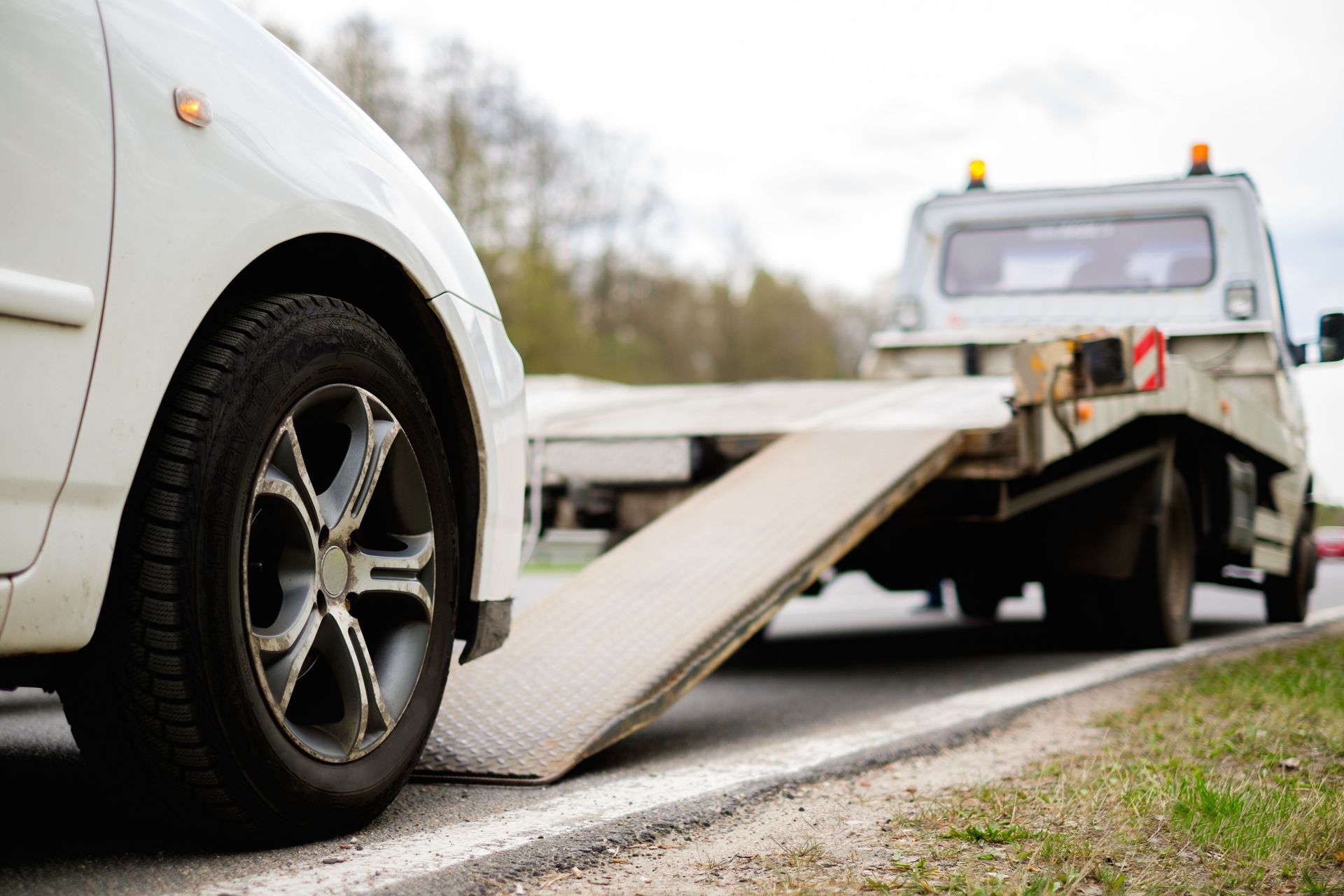
If the engine does not start after a properly performed attempt, continuing to try repeatedly may not solve the underlying issue. Unusual smells, smoke, visible battery damage, or electrical warning signs should prompt drivers to stop and seek professional evaluation. In some circumstances, towing the vehicle to a repair facility may be more appropriate than attempting another jumpstart. Experienced providers of jump start assistance services can help drivers determine whether the vehicle can be restarted safely or whether additional roadside support is needed. Recognizing these limitations helps motorists avoid unnecessary risks and make practical decisions about their next steps.
For drivers experiencing an unexpected battery problem, Florida Coast Towing / FCT Towing can be contacted for roadside assistance. Reach out to discuss your vehicle's starting issue, provide your location, and determine the appropriate assistance for getting your vehicle moving again.