October 9, 2026
Few things derail a day faster than turning the key or pressing the start button and hearing nothing but a weak click. A dead battery feels like a simple inconvenience, but the way you respond to it can have lasting consequences for your vehicle. Today's cars, trucks, and SUVs depend on a complex network of computer modules, sensors, and wiring that all draw power from the same source. When that source fails, the restart process becomes a delicate operation rather than a quick fix.
Many drivers assume that any set of jumper cables and a willing neighbor will solve the problem. Unfortunately, an improper jump can send a surge of voltage through sensitive components, leading to repairs that cost far more than a new battery. That is why professional jump start assistance has become an essential safeguard for modern vehicle owners. Trained technicians do much more than reconnect power. They protect the electronics that keep your vehicle running safely and efficiently.
This post explores how jump start assistance protects your vehicle's electrical system, what risks come with do-it-yourself attempts, and why working with experienced professionals is the smartest choice when your battery lets you down.
Recognizing the Hidden Dangers of DIY Jump Starts
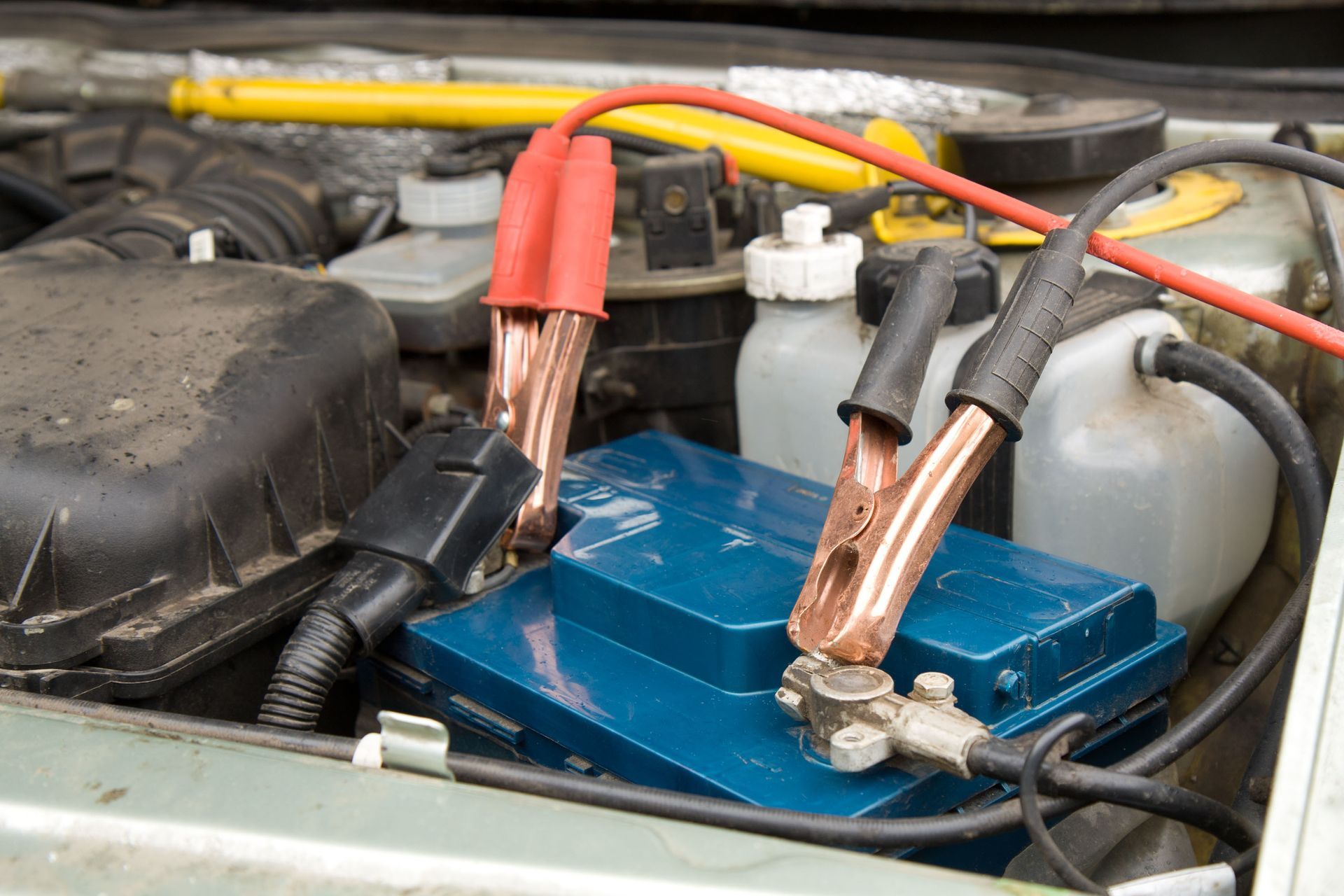
A roadside jump looks simple in movies, but the reality under the hood is far more complicated. Connecting cables in the wrong order, letting clamps touch, or attaching the final ground to the wrong spot can create sparks near the battery. Batteries can release hydrogen gas, so a stray spark poses a genuine safety hazard to anyone standing nearby.
The bigger threat, however, is often invisible. Modern vehicles rely on dozens of interconnected computer modules that manage everything from fuel injection and transmission shifting to airbags and infotainment. These modules are designed to operate within narrow voltage ranges. A sudden spike from a donor vehicle, especially one with a larger engine revving high, can overwhelm that tolerance. The result may be a blown fuse, a corrupted control module, or a damaged Engine Control Unit (ECU) that requires costly replacement and reprogramming.
Warning signs that your battery needs attention include dim or flickering dashboard lights, a slow-cranking engine, electrical accessories that act erratically, or a battery that refuses to hold a charge. When you notice these symptoms, calling for jump start assistance rather than improvising with borrowed cables protects both your safety and your vehicle's electronics. Professionals understand these risks and take deliberate steps to avoid them.
Using Professional Equipment to Prevent Power Surges
One of the clearest advantages of professional service is the equipment technicians bring to the scene. Instead of relying on another car's charging system, trained operators typically use heavy-duty portable power packs designed to deliver steady, controlled current. These units reduce the risk of the voltage fluctuations that can occur when two vehicles with different electrical demands are linked together.
Quality power packs often include built-in protections such as reverse-polarity alerts and spark-resistant clamps. If a cable is accidentally placed on the wrong terminal, the unit can stop current from flowing rather than allowing damage to occur. This added layer of security is something a standard set of jumper cables simply cannot offer.
Technicians also carry voltage meters that measure the battery's condition before any power is applied. Knowing the starting voltage helps the operator decide how to proceed safely and whether a jump is even the right solution. A battery with an internal short or a cracked case, for example, should not be boosted at all. Reliable jump start assistance depends on this kind of preparation. With well-maintained, current equipment and the training to use it correctly, professionals turn what could be a risky gamble into a controlled, predictable process.
Following Manufacturer-Approved Connection Sequences
Every vehicle manufacturer specifies how its cars should be jump-started, and those instructions exist for good reason. Some models place the battery in the trunk or beneath a seat while providing remote jump terminals under the hood. Others require the negative connection to be made at a specific grounding point on the engine block or chassis rather than directly on the battery. Ignoring these details can bypass important protective circuits or route current through components that were never meant to carry it.
Professional technicians are trained to locate the correct terminals and follow the exact grounding sequence each vehicle requires. They connect and disconnect cables in the proper order, keep clamps secure and separated, and monitor the vehicle as power flows into the depleted battery. This methodical approach allows current to enter the system smoothly instead of in a damaging rush.
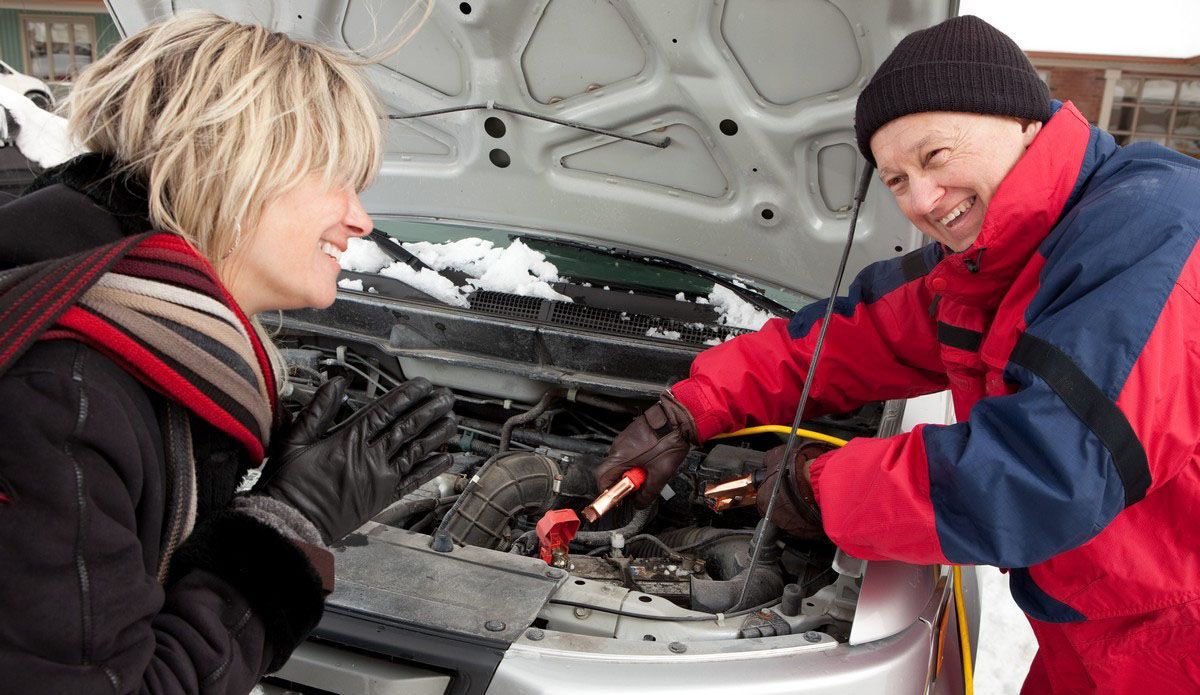
For drivers, this attention to detail offers peace of mind. Rather than searching through an owner's manual in a dark parking lot, you can rely on jump start assistance from someone who already knows the correct procedure. That expertise is especially valuable as vehicle designs grow more complex each model year, with battery placement and electrical layouts varying widely from one brand to the next.
Evaluating the Starting System Before You Drive Away
A successful restart is only part of the job. A thorough technician will also evaluate the starting and charging system to make sure the vehicle can keep running once the cables come off. If the alternator is not recharging the battery properly, the car may stall again within miles, potentially leaving you stranded in a far less convenient location.
During a professional service call, the operator can check the battery's voltage after the restart and confirm that the alternator is producing adequate output. This quick evaluation helps isolate the root cause of the failure. Was the battery simply drained by headlights left on overnight, or is a failing component quietly pulling power from the system?
Battery age matters too. According to Consumer Reports, most car batteries have a service life of roughly three to five years. Hot climates can shorten that window, since high temperatures speed up the chemical breakdown inside a battery. If your battery is nearing or past that range, a jump may only offer a temporary fix. Good jump start assistance includes an honest assessment of whether the battery is likely to keep holding a charge, so you can plan for a replacement before another unexpected failure occurs.
A dead battery is stressful, but it does not have to become an expensive electrical repair. By relying on trained technicians, proper equipment, and manufacturer-approved procedures, you protect the computer modules, sensors, and wiring that keep your vehicle running. Professional jump start assistance also gives you valuable insight into your battery's health and your charging system, helping you avoid repeat breakdowns. The safest move is always to let experienced professionals handle the job rather than risk costly damage with a DIY attempt.
If you're stranded with a dead battery in Southeast Florida or along the Treasure Coast, we're here to help. At Florida Coast Towing, we provide fast, reliable jump start assistance around the clock for all vehicle types, including electric, hybrid, luxury, and exotic models. Our trained drivers arrive with current equipment and the knowledge to protect your vehicle's electrical system. Don't hesitate to give us a call today, and let us get you safely back on the road. As the top jump start assistance service in the area, we're proud to serve you!