November 10, 2026
Electric vehicles have rapidly transformed modern transportation, offering whisper-quiet acceleration, remarkable energy efficiency, and zero tailpipe emissions. As automotive engineering continues to evolve toward cleaner battery power, the internal mechanics of passenger cars and sport utility models have shifted dramatically away from conventional internal combustion designs. Rather than relying on standard engines, multi-gear transmissions, and mechanical driveshafts, electric models feature complex electrical architectures, massive traction batteries, and high-output electric motors connected directly to the drive axles. While these technological advancements deliver exceptional daily performance on the open road, they also fundamentally alter how a disabled vehicle must be handled during roadside emergencies.
When a standard gas-powered car experiences trouble on the highway, standard roadside assistance practices are generally straightforward and familiar to most drivers. However, applying conventional pulling or lifting methods to an electric model can quickly trigger catastrophic electrical fires, destroy motor windings, or warp sensitive frame components. For this reason, modern motorists must recognize that electric automobiles demand higher technical precision and specialized equipment during transit. Choosing experienced providers that deliver specialty tow truck services ensures that sophisticated electric machinery receives the precise care necessary to prevent secondary damage during transport and keep vehicle electronics secure.
Protecting Delicate Electric Drivetrains
Traditional automobiles utilize neutral gears that physically disconnect the transmission from the drive wheels, allowing the vehicle to roll freely with minimal resistance during recovery. Electric vehicles operate quite differently, as their electric drive motors remain mechanically linked to the drive wheels without a traditional disengaging clutch. Even when the dashboard indicates that the vehicle is set to neutral, rolling the tires along the road turns the internal magnets within the motor rotors. This rotation generates electrical current, effectively transforming the drive unit into an active electrical generator while being pulled along the roadway surface.
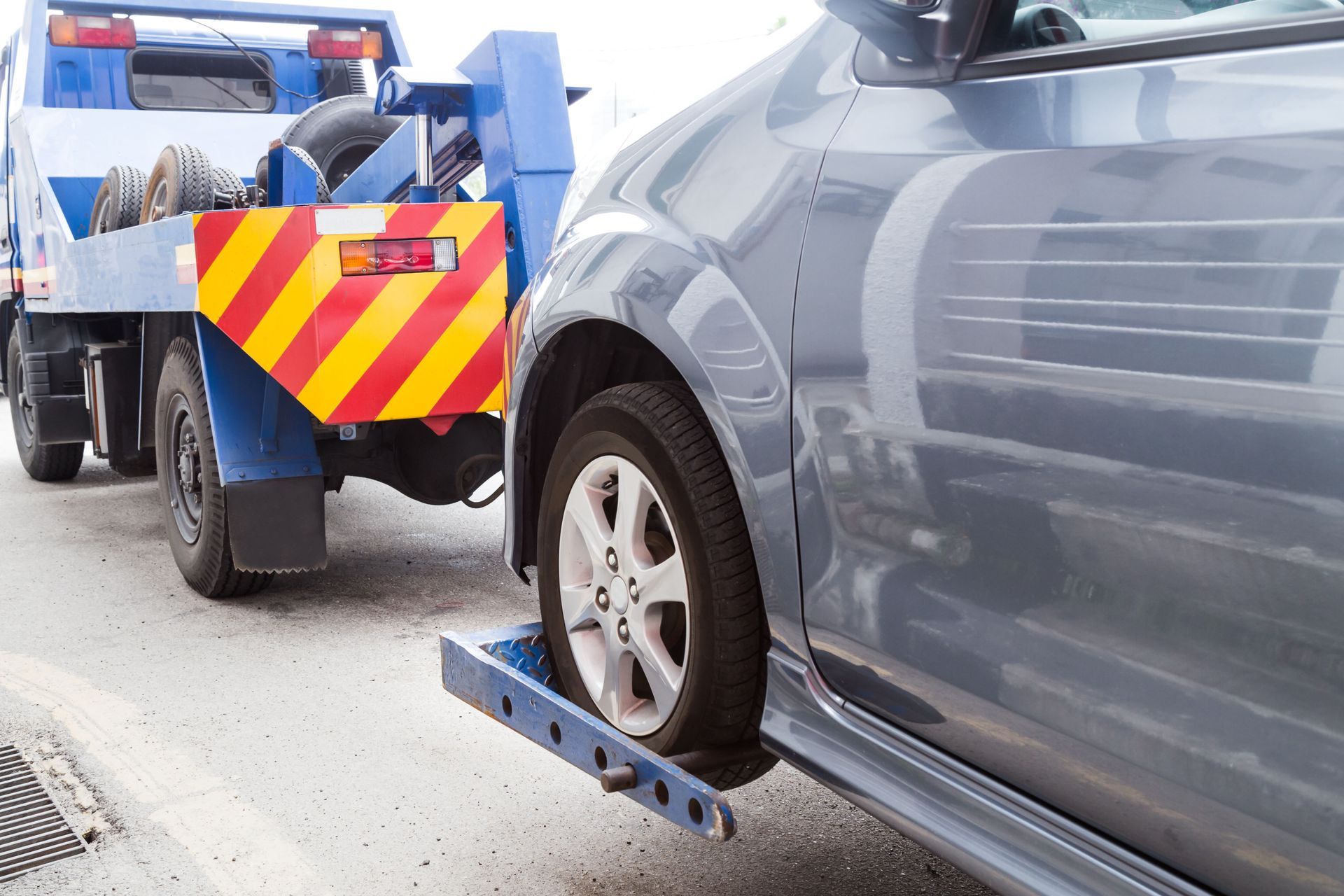
If an operator attempts to haul an electric automobile with drive wheels on the ground, the unmanaged electrical energy produced by the spinning motors flows back into the electrical system. This uncontrolled power surge creates massive thermal buildup that can melt internal wiring, destroy delicate inverters, and permanently ruin the drive motor. Skilled providers of specialty tow truck services understand these complex electro-mechanical interactions and utilize flatbed transports to keep all wheels entirely off the asphalt. According to Zipdo, mechanical breakdowns represent the largest share of roadside towing events at about 45%, while vehicular collisions account for roughly 25%. Addressing unexpected mechanical interruptions properly prevents minor roadway troubles from escalating into total powertrain replacements and long-term mechanical failure.
Preventing Severe Battery Hazards
The heart of every electric vehicle is its high-capacity traction battery pack, which is typically installed along the entire undercarriage to keep the vehicle balanced and stable. This placement maximizes cabin space and creates a desirable low center of gravity, but it also leaves the most critical and sensitive component close to the roadway surface. Unlike the hollow steel chassis of traditional sedans, the floorpan of an electric model houses dense rows of lithium cells surrounded by specialized liquid coolant passages, structural crossmembers, and external impact shields.
Traditional dragging or hook-and-chain attachment methods pose immense danger to this delicate underbody structure. If towing chains or lift arms contact the structural casing of the battery enclosure, the resulting pressure can crush cooling lines or puncture individual battery cells. Puncturing a lithium-ion pack risks thermal runaway, an intense chemical reaction that produces self-sustaining flames that are exceptionally difficult to extinguish. Operators who specialize in specialty tow truck services utilize non-invasive securing equipment, synthetic wheel straps, and dedicated manufacturer tie-down points to secure the vehicle without applying pressure to the protective battery casing.
Managing Unique Vehicle Weight Distribution
Electric automobiles carry substantially more mass than their conventional gasoline-powered counterparts due to the immense density of high-voltage battery arrays. A compact electric crossover can easily weigh significantly more than a full-size traditional family sedan. Furthermore, this extra weight is distributed evenly across the entire wheelbase along the bottom plane of the vehicle, rather than concentrated in the front engine bay where standard wreckers expect to find the primary load during typical roadside recovery operations.
This substantial weight profile demands specialized load management during recovery and hauling operations. Standard wheel-lift apparatuses and lighter recovery vehicles may experience front-axle lifting or steering instability when attempting to carry an electric car. Dedicated specialty tow truck services employ heavy-duty flatbeds with reinforced beds, upgraded hydraulic winches, and high-capacity suspension systems specifically engineered to support dense electric platforms safely. Balancing this concentrated mass properly ensures stability during travel and eliminates unexpected handling hazards on busy highways while keeping structural framing completely intact throughout the trip.
Utilizing Proper Loading Techniques
When an electric car suffers a complete electrical shutdown, loading the machine onto a transport deck requires specialized procedures. Conventional vehicles can easily be shifted manually into neutral even with a dead auxiliary battery by utilizing a mechanical shift-lock override. Many modern electric models, conversely, rely entirely on electronic gear selectors that automatically engage parking pawls or electronic parking brakes whenever electrical energy is lost, effectively locking the wheels in place and preventing unassisted rolling.
Dragging locked tires across asphalt or up a metal ramp causes severe flat-spotting on low-rolling-resistance tires and exerts dangerous stress on suspension linkages and wheel bearings. To counteract this issue, specialty tow truck services deploy specialized tire skates, dollies, or synthetic ramp gliders that slide effortlessly beneath the locked rubber. These specialized accessories allow the disabled vehicle to glide smoothly onto the flatbed deck without forcing rotating components to spin against locked mechanisms, preserving the pristine condition of the suspension, wheel hubs, and steering geometry.
Securing Safe Roadside Recovery
The presence of high-voltage electrical cables, sophisticated autonomous sensors, and low ground clearances adds another layer of complexity to the recovery process. Modern electric platforms feature aerodynamic underbody trays and automated suspension systems that lower the chassis at highway speeds. If an inexperienced operator hooks recovery cables beneath the vehicle without checking clearances, sensitive radar sensors, air suspension bladders, or underbody coolant conduits can suffer immediate damage.
Professional operators who provide specialty tow truck services undergo rigorous training to understand specific manufacturer guidelines for every electric make and model. They know precisely where factory-designated tow eyelets screw into the bumper reinforcement beams and how to rig synthetic recovery straps at shallow angles. This meticulous attention to detail ensures that the vehicle is pulled from roadside shoulders or median embankments without stressing exterior body panels, aerodynamic air dams, or delicate suspension control arms during recovery maneuvers.
Transporting an electric vehicle requires advanced engineering awareness, modern recovery apparatuses, and specialized handling protocols designed to safeguard high-voltage powertrains and delicate undercarriage battery packs. Relying on standard towing procedures creates significant risks of electrical damage, structural compromise, and severe thermal hazards. Prioritizing trained professionals who utilize dedicated specialty tow truck services guarantees that your innovative automobile is transported safely and returned to optimal condition without unintended complications or unexpected mechanical setbacks.
Taking the proper precautions during a roadside breakdown or unexpected vehicle emergency protects the long-term investment you have made in sustainable transportation. If you are ready for professional assistance and exceptional electric vehicle handling, contact us at Florida Coast Towing today. We will help you transport your modern vehicle safely, resolve your urgent roadside challenges, and ensure your automobile receives the specialized care it deserves on every journey.