July 10, 2026
The moments following a vehicular accident are defined by stress and confusion. Amid the chaos of ensuring personal safety and exchanging insurance details, arranging for vehicle transport becomes an immediate priority. Navigating this aftermath requires a clear understanding of how a professional towing service operates to prevent further complications. Being prepared with this baseline knowledge transforms a volatile situation into a structured recovery, ensuring you remain in control of your vehicle's destination and financial obligations during a vulnerable time.
When a vehicle becomes completely inoperable on a busy highway, securing a reliable towing service is the most effective way to safeguard your asset. Many drivers fail to realize that roadside retrieval involves distinct logistical standards and legal protocols that vary by region. By educating yourself on standard procedures before an incident occurs, you can avoid predatory operators who exploit distressed motorists. This comprehensive guide outlines the essential components of vehicle retrieval, providing the clarity needed to make smart decisions.
Understand the Basics of Vehicle Transportation
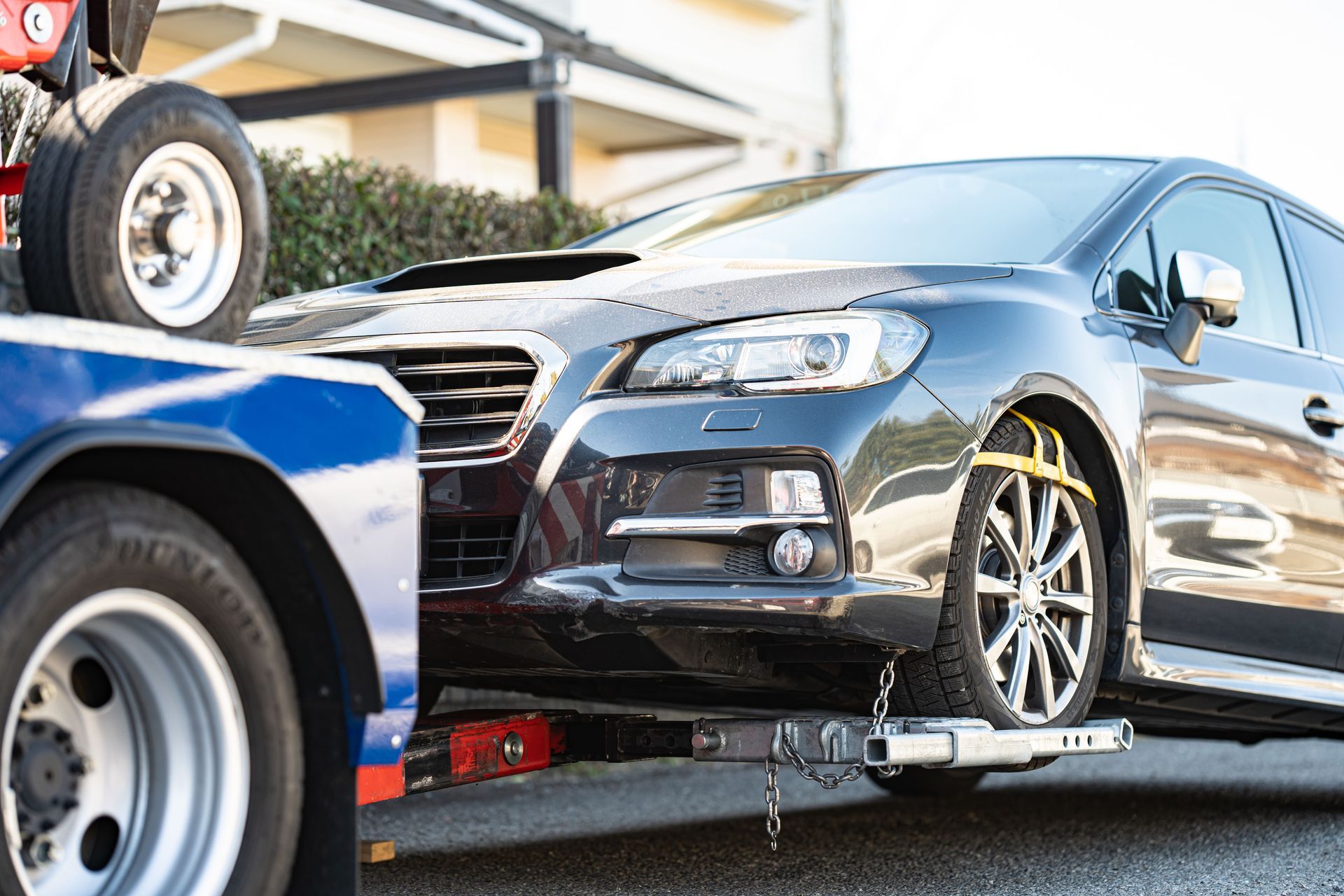
Understanding the operations of vehicle transport providers is essential for every motorist seeking roadside support. These businesses deploy specialized trucks equipped with heavy-duty winches and secure tie-downs designed to move incapacitated vehicles without causing secondary structural damage. The reasons for requiring these specialized vehicles vary significantly across the motoring public. According to Zipdo, breakdowns cause about 45% of roadside incidents that require assistance, whereas accidents represent roughly 25% of these occurrences. This statistical reality highlights that standard mechanical failures remain the primary driver for roadside assistance.
The industry utilizes diverse equipment configurations to address specific vehicular recovery needs under varying conditions. Flatbed trucks are widely recognized as the safest option because they lift the entire vehicle off the ground, eliminating drivetrain wear during transit. For lighter vehicles or tight parking spaces, wheel-lift systems provide an efficient alternative by lifting only one axle. Every professional towing service maintains specific geographic boundaries that dictate response capabilities, and pricing structures generally incorporate standard hookup fees combined with separate mileage rates.
Prepare for Potential Roadside Emergencies
Preparing for unexpected vehicular emergencies requires proactive planning and the organization of critical resources before a crisis occurs. Motorists should always maintain an accessible directory of emergency contacts, including licensed transportation operators, insurance adjusters, and family members. Keeping this information in both physical print and digital formats ensures continuous access even during technological failures or battery depletion. Reviewing your comprehensive auto insurance policy helps clarify your specific coverage limits for emergency dispatch, reducing immediate financial anxiety during a roadside event.
Equipping your vehicle with a safety kit represents another vital layer of roadside readiness and personal protection. A well-stocked kit features basic medical supplies, high-visibility vests, reflective flares, and dependable illumination tools to secure the scene effectively. Stashing essential documentation, such as valid vehicle registration and insurance cards, in an organized glove compartment simplifies interaction with emergency responders. If an incident occurs, your initial priority must be personal safety, followed by a calm assessment of the vehicle before contacting a towing service.
Select the Right Service Provider
Selecting a dependable transportation provider requires a careful evaluation of industry credentials and official operating licenses. Reputable operations openly display their state-issued permits and carry comprehensive liability insurance to protect your asset during transit. Checking public consumer reviews and asking for personal recommendations from trusted friends or family members can reveal a company's true reliability. These external testimonials offer transparent insights into how a team handles vehicles and treats customers during high-stress situations, helping shield you from predatory roadside practices.
Comparing operational features and response capabilities across different providers ensures that you receive prompt assistance when seconds matter. Companies that maintain continuous operation around the clock offer the greatest peace of mind, as mechanical failures rarely adhere to standard business hours. Requesting a detailed breakdown of costs before authorizing transit helps prevent unexpected adjustments when the final invoice is presented. Choosing a provider with transparent business models ensures that your vehicle is handled professionally without unexpected financial burdens.
Communicate Effectively With Response Teams
Communicating clearly with dispatch operators is a critical factor in minimizing response times and ensuring a smooth recovery process. Motorists must provide precise geographical indicators, utilizing global positioning coordinates or obvious physical landmarks to guide the incoming driver accurately. Describing the vehicle's exact physical state, such as locked wheels or steering failure, is vital for proper preparation. This detailed information allows the dispatch center to select a towing service configuration that matches the logistical challenges of the scene.
Establishing clear expectations regarding arrival timelines and financial obligations helps establish mutual understanding between the motorist and the operator. While remaining patient regarding traffic delays, maintaining open communication with the dispatch office provides updates on the driver's progress. Discussing potential adjustments or secondary assistance options before the hookup process begins ensures complete transparency for both parties. Proactive dialogue mitigates misunderstandings, creating a cooperative environment that facilitates a safe and efficient vehicle retrieval process.
Navigate Legal and Insurance Procedures
Navigating the legal framework and consumer rights governing vehicle recovery protects motorists from potential exploitation after a roadside incident. Most municipal regions enforce strict regulations regarding maximum allowable fees, non-consensual tow protocols, and mandatory storage accessibility standards. Familiarizing yourself with these local ordinances allows you to spot irregular behaviors or unauthorized fee structures before making a payment. When filing an insurance claim, providing a seamless paper trail consisting of official reports and invoices is essential to validate your towing service coverage.
Documenting the immediate physical scene and resisting aggressive solicitations from unverified operators are critical steps in protecting your legal interests. Motorists should capture clear photographs of the vehicle's position, surrounding traffic signs, and the specific damage sustained from multiple angles. If an uninvited operator arrives at the scene and demands to move your vehicle, calmly refuse their assistance until their credentials are fully verified. Confronting unethical practices with firm boundary setting disrupts coercive attempts to exploit your vulnerability.
Manage Post-Tow Recovery and Inspections
Conducting a thorough post-transport evaluation of your vehicle is necessary to confirm that the asset was moved without receiving secondary damage. Owners should carefully inspect the bumpers, undercarriage, suspension components, and exterior body panels before signing the final release documentation. Documenting any new structural or cosmetic discrepancies with high-resolution photographs provides the necessary evidence required to file a formal complaint. Working cooperatively with the storage facility and your insurance adjuster helps streamline the transition to an approved repair facility.
Reflecting on the entire roadside experience allows motorists to refine their emergency protocols and share valuable insights with the community. Updating your personal readiness plans, refreshing safety kit supplies, and revising contact directories ensures greater resilience against future travel disruptions. Leaving objective, detailed online feedback regarding the performance of your provider helps other drivers make informed selections during their own emergencies. Engaging with a premier towing service and evaluating their performance promotes higher operational standards and rewards transparent business practices across the entire regional transport market.
Managing the aftermath of a vehicle collision or unexpected mechanical breakdown requires a balanced combination of preparation, clear communication, and legal awareness. By understanding the operational standards of recovery providers and maintaining strict control over the documentation process, motorists can successfully mitigate the stress of roadside emergencies. Protecting your asset and your financial well-being depends heavily on making deliberate, informed choices rather than reacting out of panic.
Every driver deserves transparent support, ethical pricing, and professional care when facing the logistical complexities of an unexpected vehicular recovery. Prioritizing verified credentials, maintaining open communication channels, and understanding your local consumer rights will ensure that you are never taken advantage of on the road. Contact us at Florida Coast Towing for reliable assistance and dedicated professional support along the shoreline.